De-Tan & Hyperpigmentation Treatment in Punawale ,Pune
Description
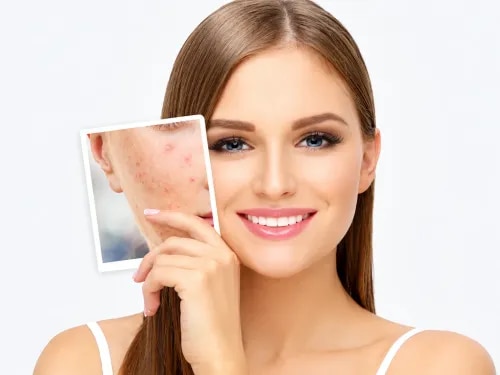
Are you concerned about tanning, dark spots, uneven skin tone, or hyperpigmentation? Dr Nisha’s Aesthetic Plus Clinic in Punawale, Pune, offers personalised aesthetic skin care to help address pigmentation concerns and improve the appearance of uneven skin tone.
Sun exposure, hormonal changes, acne, inflammation, and other factors can contribute to excess pigmentation. Identifying the underlying cause is first step towards choosing the right treatment for healthier-looking, more even-toned skin.
What Is De-Tan Treatment?
De-tan treatment focuses on improving the appearance of skin that has become darker following exposure to ultraviolet (UV) radiation from the sun. Sun exposure stimulates melanin production, which can cause tanning and may contribute to uneven pigmentation.
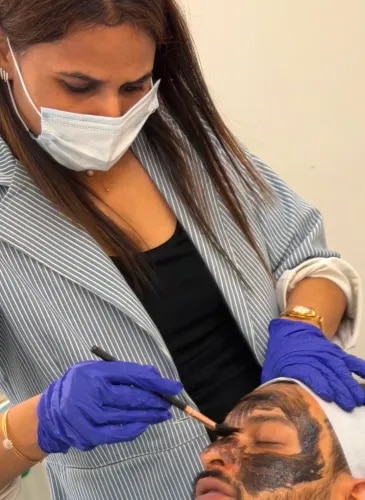
Depending on your skin type and concerns, a professional skincare plan may include appropriate topical products, gentle exfoliation, selected chemical peels, or other suitable treatments.
At Dr Nisha’s Aesthetic Plus Clinic, treatment options can be discussed according to your skin condition, sensitivity, and aesthetic goals.
Benefits of De-Tan Treatment
Helps improve the appearance of sun-induced tanning.
Supports a more even-looking skin tone.
May help improve dull-looking skin.
Allows personalised skincare based on skin type.
Encourages a consistent skincare and sun-protection routine.
Results depend on the depth of pigmentation, skin condition, and treatment selected. No treatment can guarantee immediate or complete removal of a tan.
What Is Hyperpigmentation?
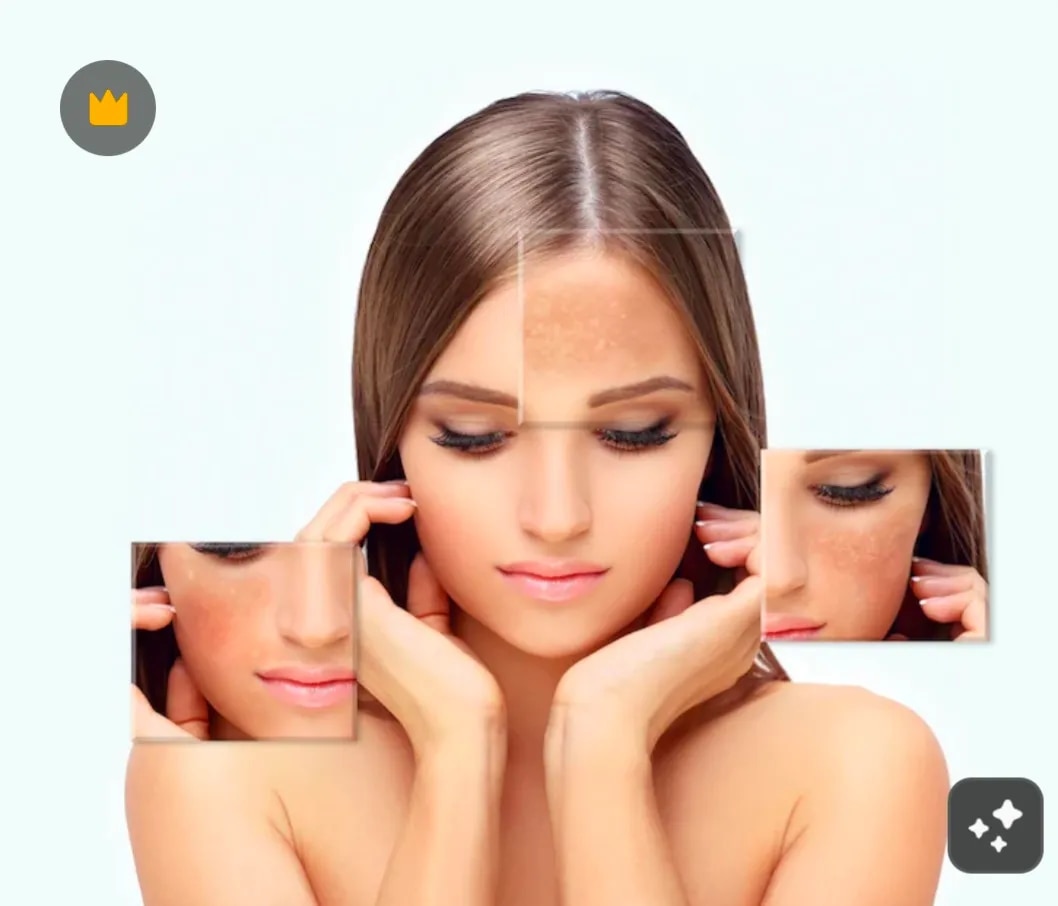
Hyperpigmentation occurs when certain areas of the skin produce or retain more melanin than the surrounding skin. It may appear as brown, dark, greyish, or uneven patches and can affect the face and other body areas.
Common causes include sun exposure, acne marks, skin irritation, hormonal changes, and certain medications or medical conditions.
Different types of pigmentation require different approaches. A proper assessment helps determine the likely cause and the most appropriate treatment.
Types of Hyperpigmentation
1. Sun-Induced Pigmentation
Repeated sun exposure can lead to tanning, dark spots, and uneven skin tone. Sun protection is essential to help prevent further pigmentation.
2. Post-Acne Dark Spots
Dark marks may remain after acne or other skin inflammation. Appropriate skincare and selected treatments may help improve their appearance over time.
3. Melasma
Melasma causes brown or grey-brown patches, commonly on the cheeks, forehead, upper lip, and other facial areas. Hormonal factors and sun exposure can contribute to this condition. Melasma often requires ongoing management rather than a one-time treatment.
4. Uneven Skin Tone
Pigmentation may develop in different areas because of sun exposure, friction, irritation, or other skin-related factors. Treatment depends on the underlying cause.
De-Tan and Hyperpigmentation Treatment Options
The most appropriate treatment depends on the type and depth of pigmentation, your skin tone, and your skin's sensitivity.
Chemical Peels
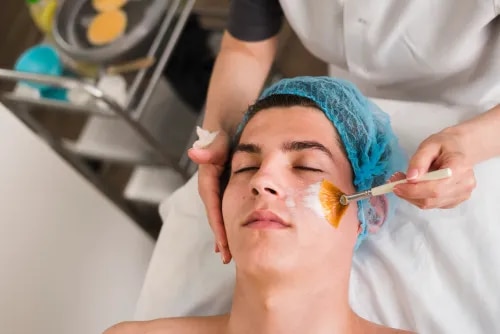
Selected chemical peels help exfoliate the outer layers of the skin and may improve certain types of superficial pigmentation. Peel strength and ingredients should be selected carefully to reduce the risk of irritation and post-inflammatory pigmentation.
Medical-Grade Skincare
Appropriate topical products may help improve selected pigmentation concerns. Depending on the diagnosis, options may include ingredients such as azelaic acid, retinoids, or other clinician-recommended products.
Laser and Light-Based Treatments
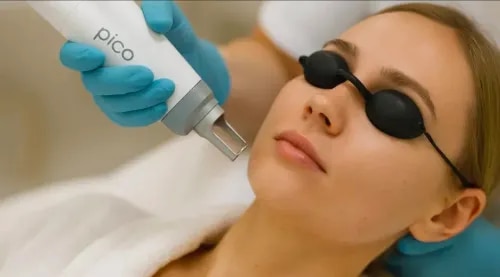
Certain laser or light-based procedures may be considered for specific pigmentation concerns. They are not suitable for every condition, and inappropriate treatment can worsen pigmentation, particularly in darker skin tones.
Personalised Skin Rejuvenation
A tailored skincare plan may combine appropriate topical products, sun protection, and selected professional treatments. The goal is to improve the appearance of pigmentation while maintaining skin health.
Important: Melasma and other persistent pigmentation disorders require careful assessment. Strong peels, unsupervised bleaching products, and unsuitable laser procedures may aggravate the condition.
Why Is Sun Protection Important?
Sun protection is an essential part of managing tanning and hyperpigmentation. Without it, pigmentation may persist, return, or become darker after treatment.
Helpful daily habits include:
Applying broad-spectrum sunscreen with SPF 30 or higher.
Reapplying sunscreen as directed, especially during prolonged outdoor exposure.
Wearing protective clothing and seeking shade.
Using gentle skincare products suited to your skin type.
Avoiding harsh scrubs and unverified skin-lightening creams.
Consistent sun protection supports treatment outcomes and helps reduce the risk of further pigmentation.
Who Can Consider De-Tan or Hyperpigmentation Treatment?
Individuals concerned about sun tanning, dark spots, acne marks, or uneven skin tone may benefit from a professional consultation.
Assessment is particularly important if pigmentation is persistent, spreading, changing in appearance, or accompanied by irritation. Sudden or unusual pigmentation may require medical evaluation before cosmetic treatment.
De-Tan and Pigmentation Care at Dr Nisha’s Aesthetic Plus Clinic
At Dr Nisha’s Aesthetic Plus Clinic, Punawale, Pune, patients can discuss their skin concerns and explore suitable options for improving the appearance of tanning and hyperpigmentation.
A consultation may include:
Assessment of skin type and pigmentation patterns.
Discussion of possible contributing factors.
Recommendations for suitable skincare and sun protection.
Evaluation of appropriate professional treatments.
Guidance on treatment expectations and aftercare.
Treatment recommendations should be individualised because different pigmentation conditions respond differently to treatment.
Frequently Asked Questions
How can I reduce tanning on my face?
Daily broad-spectrum sunscreen, suitable skincare, and avoiding excessive sun exposure are important. Depending on the skin condition, selected topical products or professional treatments may also help.
Can hyperpigmentation be removed permanently?
Some pigmentation can improve substantially, but recurrence is possible, particularly with melasma and ongoing sun exposure. Long-term maintenance and sun protection may be necessary.
How many sessions are required for pigmentation treatment?
The number of sessions depends on the type of pigmentation, the treatment selected, and individual response. Some concerns improve gradually, while others require ongoing management.
Is chemical peeling suitable for all skin types?
No. Peel selection depends on skin tone, sensitivity, medical history, and the type of pigmentation. Improperly selected peels may cause irritation or worsen dark marks.
Can pigmentation treatment make my skin lighter than my natural skin tone?
The aim of pigmentation treatment is to address excess pigmentation and improve uneven skin tone, not to guarantee a lighter-than-natural complexion. Results vary depending on the underlying condition and treatment.
Where can I get de-tan and hyperpigmentation treatment in Pune?
If you are looking for de-tan or hyperpigmentation treatment in Punawale, Pune, contact Dr Nisha’s Aesthetic Plus Clinic to enquire about consultation availability and appropriate treatment options.
Book Your De-Tan & Hyperpigmentation Consultation in Punawale, Pune
If you are concerned about tanning, dark spots, acne marks, or uneven skin tone, professional guidance can help you understand the cause and choose a suitable skincare approach.
Visit Dr Nisha’s Aesthetic Plus Clinic, Punawale, Pune, to discuss your concerns and explore personalised skin treatment options.
Clinic: Dr Nisha’s Aesthetic Plus Clinic
Location: Punawale, Pune, Maharashtra
Medical disclaimer: Pigmentation treatments may cause irritation, burns, or changes in skin colour. Results vary, and some conditions require long-term management. A qualified practitioner should assess your skin before recommending a procedure.