PRP uses a sample of your own blood, processed to concentrate platelets, before the platelet-containing plasma is injected into selected scalp areas. Before booking, you need to know whether your hair loss fits this treatment, what the appointment involves, how long results take, and which questions distinguish a medically sound plan from a generic injection package.
Key takeaways
- PRP suits pattern hair loss when miniaturised follicles are still present.
- Ask for a diagnosis before agreeing to scalp injections.
- Expect a blood draw, centrifugation, scalp injections and post-treatment instructions.
- Judge progress only after completing the planned sessions and follow-up period.
Is PRP suitable for your type of hair loss?
PRP is most appropriate for early androgenetic alopecia, also called pattern hair loss, when miniaturised follicles are still present. It may support reduced shedding or improved density as an adjunct, but published studies have small samples, varied protocols and inconsistent measurements.
PRP is not a guaranteed cure, and it cannot create new follicles where follicles have been permanently destroyed.
Before booking PRP hair treatment for Marunji, use this decision process:
- Confirm the suspected diagnosis. Alopecia areata, telogen effluvium, nutritional or endocrine disease, medication-related shedding and scarring alopecia need different treatment plans.
- Delay injections and obtain medical evaluation for sudden patchy loss, scalp pain, scale, pustules, scarring, active infection or unexplained rapid shedding. PRP alone could delay treatment of the actual disease.
- Ask what result will be measured: less shedding, greater measured density, thicker-looking hair shafts or regrowth of miniaturised hairs. These endpoints are not interchangeable.
- Ask whether PRP is being proposed alongside an appropriate treatment, such as minoxidil or a prescription option. Assess each treatment’s benefits and risks separately.
PRP may help some people with pattern hair loss, but it does not stop the underlying tendency in every patient. A consultation marketed as hair rejuvenation near Marunji should begin with diagnosis and scalp examination, not a platelet-injection package.
What should happen before the first injection?
A proper consultation starts with finding the cause, not with a platelet injection. For hair rejuvenation near Marunji, the clinician should ask when shedding began, whether it follows a pattern, and whether relatives have similar loss. Discuss recent illness or major stress, diet, medicines, hormonal changes and autoimmune symptoms.
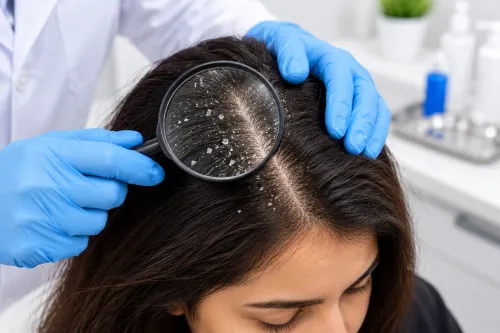
The scalp examination should check for miniaturisation, inflammation, scaling, broken hairs and scarring.
The assessment should cover:
- Tell the clinician about anaemia, platelet or bleeding disorders, anticoagulant or antiplatelet medicines, supplements, allergies, pregnancy status and active infections. Do not stop a prescribed medicine before speaking with the prescribing doctor.
- Expect targeted testing when the history or examination suggests another cause. Tests can include a complete blood count, ferritin or iron studies, thyroid-stimulating hormone, and hormone or autoimmune investigations selected according to your symptoms.
- Ask about sudden patchy loss, scalp pain, scale, pustules, rapid shedding or visible scarring. These findings need diagnostic evaluation because alopecia areata, telogen effluvium, nutritional or endocrine disease, medication-related shedding and scarring alopecia require different plans.
- Accept a scalp biopsy or referral when scarring or inflammatory disease is suspected. Treating without identifying that disease can delay care and worsen permanent follicle damage.
The clinician should explain the suspected diagnosis, expected outcome, alternatives and complications before you consent. If the visit offers only a package without this history and examination, postpone the injection and seek a proper medical assessment.
What happens during a PRP hair appointment?
A PRP appointment moves from diagnosis to preparation and injections, usually during one visit.
1. The clinician discusses your hair-loss history, examines the scalp and confirms which areas need treatment.
2. You review expected benefits, alternatives and complications, then sign consent. Baseline photographs record the hairline, parting and density for later comparison.
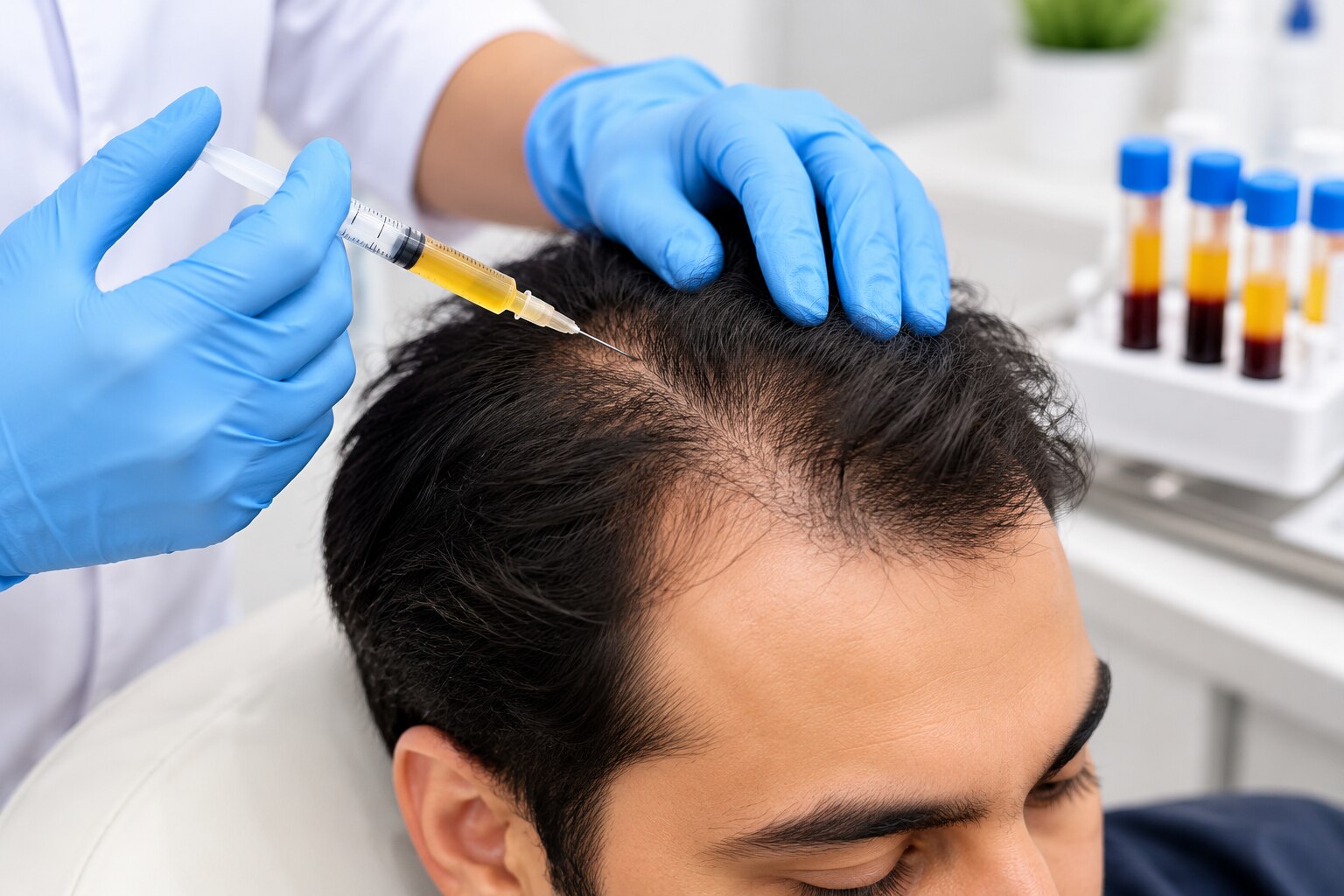
3. A small blood sample is collected from your arm. The tube is centrifuged or processed with another system to separate the platelet-containing plasma from other blood components.
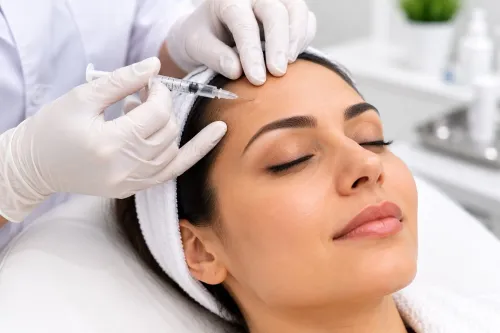
4. The clinician injects the prepared plasma into selected scalp areas. Autologous means the material comes from your own blood; it does not mean PRP is a stem-cell treatment or risk-free.
5. Expect brief pain or pressure during injections. Afterward, scalp tenderness, tightness, redness, swelling, bruising or a temporary headache can occur.
6. Follow the clinic’s washing and exercise instructions, and do not rub, scratch or otherwise manipulate injection sites. Contact the provider for increasing pain, spreading redness, pus, fever, unusual bleeding or worsening inflammation.
Before choosing PRP hair treatment in Punawale, ask who performs the injections, how sterile processing is maintained, how used needles enter sharps disposal, and what adverse-event plan and urgent contact number you receive. Your written aftercare should state when washing, strenuous exercise and hair products can resume.
How many sessions are needed, and when can you judge the result?
A commonly studied plan uses three PRP sessions about one month apart, followed by maintenance treatments spaced according to the protocol and your response. Get the exact number of sessions, interval and maintenance plan in writing before payment.
Visible change takes months, not days. Hair follicles grow through slow cycles, so studies commonly assess hair density or hair counts after several months; reduced shedding and thicker hair do not follow a reliable day-by-day timetable.
| Milestone | What you can reasonably assess |
|---|---|
| One session | Treatment tolerance, not permanent reversal of androgenetic alopecia |
| Three sessions | Early comparison with baseline, without guaranteeing regrowth |
| Several months after treatment | Hair density, hair counts and changes in thickness |
| Maintenance review | Whether benefits persist and whether further treatment is justified |
Take baseline and follow-up photographs with the same lighting, camera angle, hair length and parting. Daily shedding varies too much to serve as your main measurement.
PRP studies use different platelet concentrations, leukocyte content, activation methods, injection depths, intervals and session counts. Therefore, a quoted result for PRP hair treatment for Marunji cannot be compared directly with every study or with another clinic’s package, including PRP hair treatment in Punawale.
One session cannot permanently remove the tendency to androgenetic alopecia. Minoxidil or prescription options may be discussed separately when medically appropriate; each has its own benefits, risks and monitoring needs.
How to compare PRP providers near Marunji and Punawale
Distance is a convenience, not evidence of clinical quality. If you search for PRP hair treatment for Marunji, PRP hair treatment in Punawale or hair rejuvenation near Marunji, compare the diagnosis, protocol and follow-up rather than choosing the closest address.
Ask each provider:
- Who diagnoses the hair loss, and who performs the scalp injections?
- Which preparation system is used, and what platelet concentration, leukocyte content and activation method does it produce?
- How many sessions are planned, how far apart are they, and when might maintenance visits be needed?
- How much time does the full plan require, including appointments and recovery?
- Will progress be measured with standardised photographs, hair counts, density measurements or another defined endpoint?
- What alternatives apply if PRP does not match the diagnosis?
| Compare | Ask for | Why it matters |
|---|---|---|
| Promised result | Reduced shedding, thicker shafts, increased density or regrowth of miniaturised hairs | These are different outcomes |
| Safety plan | Written aftercare, expected side effects and urgent contact instructions | Increasing pain, pus, fever or spreading redness needs prompt review |
| Consent | Benefits, limitations, complications and alternatives in writing | Autologous blood does not remove procedural risks |
A consultation at Aesthetic Plus Clinic -Skin Specialist 08048033198 in Punawale deserves the same scrutiny: does the assessment identify the cause, and does the plan match it rather than simply selling “hair rejuvenation”?
Related service
Hair Treatments PRP Treatment for Hair in Punawale Looking for PRP Treatment for Hair in Punawale? Dr Nisha’s Aesthetic Plus Clinic offers personalised PRP hair treatment for individuals experiencing... View service → |
Frequently asked questions
Is PRP suitable for your type of hair loss?
PRP is most appropriate for early androgenetic alopecia, or pattern hair loss, when miniaturised follicles remain. A clinician should assess the cause before treatment.
What should happen before the first PRP injection?
The provider should review your medical history, medicines and scalp condition, then examine the hair-loss pattern and explain expected benefits, limitations and alternatives.
What happens during a PRP hair appointment?
The appointment usually involves drawing a small blood sample, processing it in a centrifuge, applying local scalp preparation and injecting the platelet-rich plasma into selected areas.
How many PRP sessions are needed, and when can you judge the result?
Session numbers and intervals depend on the provider's protocol and your diagnosis. Judge the result after the planned course and follow-up period, using consistent photographs and shedding or density changes.
How do you compare PRP providers near Marunji and Punawale?
Compare consultation quality, diagnosis, clinician qualifications, sterile single-use supplies, documented preparation steps, transparent session planning and follow-up rather than relying on price alone.
Keywords