Darkening after outdoor exposure is not always a simple tan: acne marks, melasma, eczema-related pigmentation and changing lesions need different care. You will learn how to identify the likely pattern, what a proper consultation should cover, how home protection compares with clinic procedures, and when travelling from Hinjewadi Phase 2 to Punawale is worthwhile.
Key takeaways
- Recent, even darkening on exposed skin usually indicates tanning.
- Ask whether dark spots are acne marks, tanning, melasma or another pigment condition.
- Use daily broad-spectrum sunscreen before considering professional de-tan procedures.
- Choose a peel only after a clinician assesses your pigment pattern and skin sensitivity.
Is it sun tan, an acne mark or a pigmentation condition?
A recent, fairly even darkening on sun-exposed skin is more consistent with tanning than a pigment disorder. Ultraviolet exposure increases melanin production and transfers pigment into skin cells; as those cells shed, the colour can gradually fade, unless continued exposure maintains it.
Use this first check before seeking de tan treatment in Hinjewadi Phase 2:
- Compare exposed and covered areas. Recent, even darkening after outdoor exposure suggests tanning.
- Look for a mark left after acne, eczema, folliculitis, a burn, waxing or irritation. A flat brown patch at a previous inflamed spot suggests post-inflammatory hyperpigmentation.
- Check the pattern. Symmetrical brown or grey-brown patches on the cheeks, forehead, upper lip or jaw suggest melasma.
- Note whether spots are persistent and sharply defined. Freckles and lentigines usually remain distinct rather than fading like a general tan.
- Examine skin folds. Darker, thicker, velvety skin on the neck, armpits or groin can indicate acanthosis nigricans.
Do not choose cosmetic lightening for a new, rapidly changing, asymmetrical, bleeding, crusting, persistently itchy or distinctly different mark; seek examination. A clinician must also consider contact dermatitis, hormonal changes, friction, irritating products and photosensitising medicines. Treating the wrong cause can worsen pigment, while ongoing acne or irritation keeps creating new marks.
What should happen during a de-tan consultation?
Diagnosis comes before treatment. A clinician should establish whether you have tanning, post-inflammatory pigmentation, melasma or another condition before offering “de-tan” procedures or hyperpigmentation treatment in Punawale.
1. Expect questions about when darkening began, where it appears, outdoor and visible-light exposure, sunscreen use, acne or eczema flares, waxing or recent procedures, pregnancy or breastfeeding, hormonal factors, current skincare, recent isotretinoin, and medicines that increase photosensitivity.
2. Disclose any history of keloids, rosacea, active infection or open wounds. These findings can make a peel, laser or irritating topical treatment unsafe.
3. The examination should use normal light and include photographs for baseline comparison. Ultraviolet or special-light assessment can support evaluation, but it does not replace diagnosis.
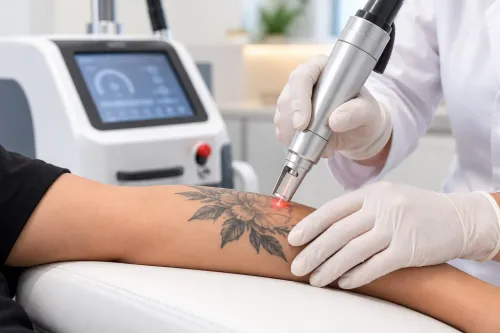
4. Findings should determine the plan: sunscreen and a gentle routine; treatment for acne or dermatitis; azelaic acid or a retinoid; supervised hydroquinone for a limited course; a selected chemical peel; or a pigment laser. A laser plan needs a confirmed diagnosis and may require conservative settings or a test spot.
5. Before agreeing, ask about the clinician’s qualifications, product or device name, active ingredients, batch information where relevant, informed consent, photographs, aftercare and follow-up. The review plan should state the expected timeline, number and spacing of sessions, maintenance needs, and what happens if the pigment returns.
Which treatment plan is safest for your pigment pattern?
Daily broad-spectrum SPF 30 or higher is the safest starting point for almost every pigment pattern. Apply it generously to your face and exposed neck, reapply during outdoor exposure or sweating, and add shade, a hat and protective clothing.
For suspected melasma, choose a tinted sunscreen containing iron oxides because it helps shield against visible light, which can deepen facial patches.
| Treatment choice | Best fit | Main caution |
|---|---|---|
| Azelaic acid or a retinoid | Selected acne marks or mild pigmentation | Irritation can worsen pigment; introduce only as directed |
| Hydroquinone | Diagnosed pigmentation needing a limited medical course | Prolonged unsupervised use can rarely cause blue-black or grey-brown exogenous ochronosis |
| Chemical peel | Selected superficial pigmentation | Stronger is not better, especially in darker Fitzpatrick skin types |
| Laser or intense pulsed light | Confirmed diagnosis after conservative planning | Burns, hypopigmentation and rebound pigmentation are possible; ask about a test spot |
These choices are not a diagnosis or a menu to self-select. Treat active acne, dermatitis or friction at the same time, or new marks will continue forming. Peels, lasers and intense pulsed light need professional assessment, conservative settings and careful aftercare.
Expect improvement over weeks to months, not after one facial. Maintenance matters because sunlight and visible light can bring pigment back. If you are comparing hyperpigmentation treatment in punawale with dark spots treatment hinjewadi phase 2, choose diagnosis and follow-up over a stronger product or faster promise.
What happens during a peel or other in-clinic procedure?
Before booking dark spots treatment Hinjewadi Phase 2, ask what diagnosis the clinician is treating and what procedure fits it. Extra assessment is essential during pregnancy or breastfeeding, with eczema or rosacea, recent isotretinoin, infection, open wounds, a keloid history or photosensitising medicines.
- Ask the clinician to name the procedure, active ingredient or device, concentration or settings, expected sensation, downtime, risks and alternatives. Do not proceed without this information and informed consent.
- Confirm preparation instructions. Tell the clinician about current products, medicines, recent waxing or procedures, and any active rash, acne or cold sore. Do not arrive with irritated or sunburned skin.
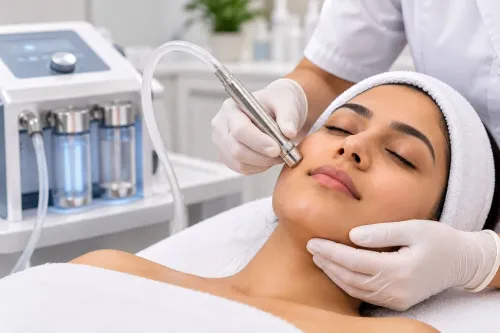
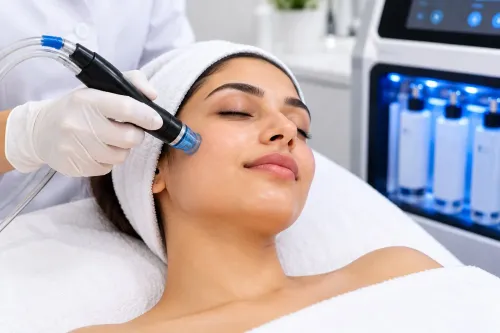
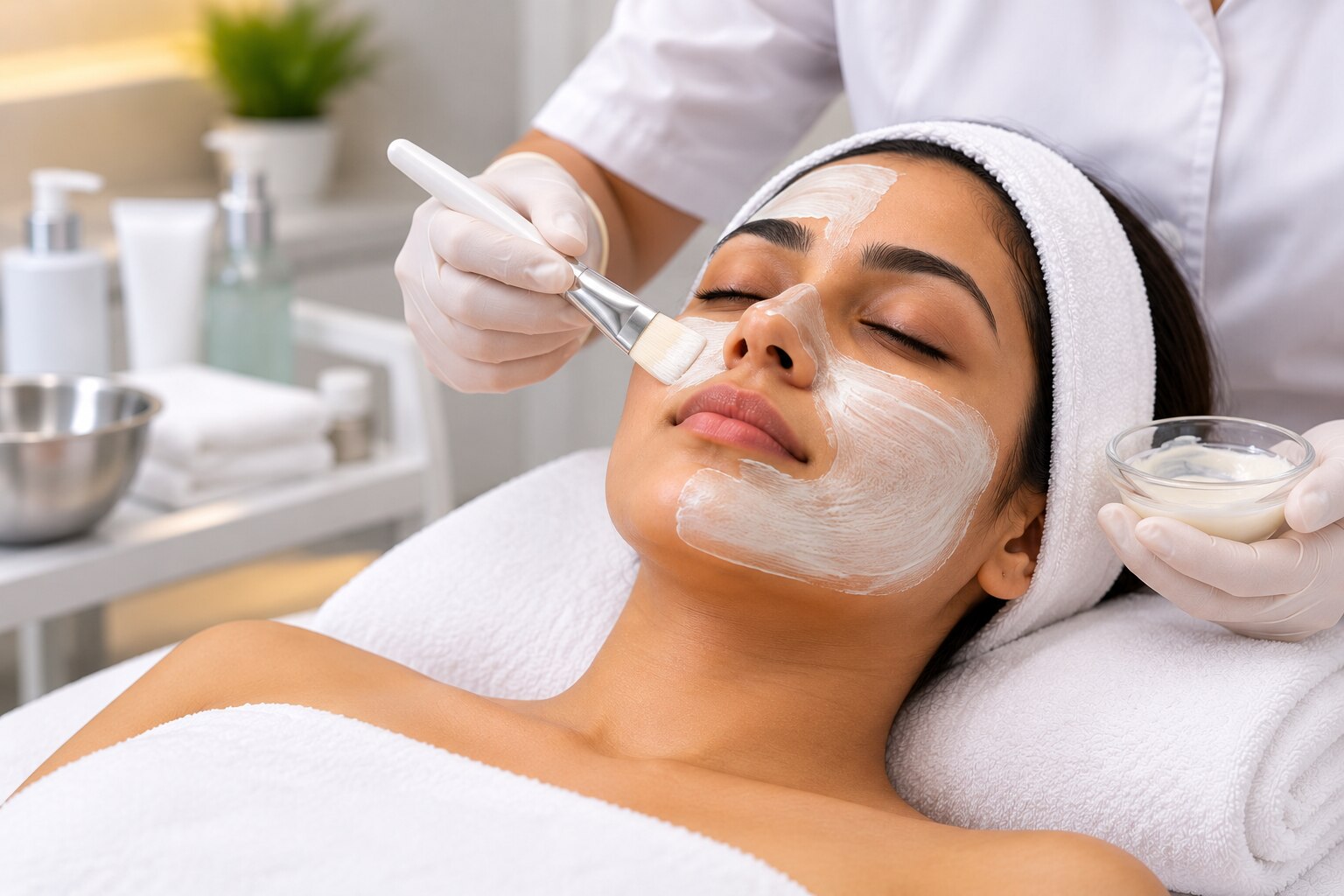
- Expect cleansing and preparation first, followed by chemical application or device passes. Tingling, warmth or brief stinging can occur; the clinician then removes the product or completes the device treatment.
- Before leaving, obtain written instructions for moisturising, washing, sun protection, permitted products and follow-up. Use the specified sunscreen and avoid direct sun and excess heat during healing.
Follow the aftercare exactly. Do not pick peeling skin, and pause waxing, scrubs, acids, retinoids and other active ingredients until cleared. Redness, burning, dryness, temporary darkening and post-inflammatory hyperpigmentation can occur.
Avoid aggressive scrubbing, lemon juice, bleach, unregulated fairness creams, steroid mixtures and stacked acids; inflammation can worsen pigment. Seek prompt medical review for blistering, severe pain, marked swelling, infection or rapidly worsening discoloration.
Should you book professional care in Punawale or start at home?
Recent, mild, stable darkening that clearly follows sun exposure is a reasonable place to start at home. Use broad-spectrum SPF 30 or higher, a gentle cleanser, moisturiser and a clinician-approved pigment ingredient; reapply sunscreen outdoors, seek shade and stop scrubs, lemon, bleaching products and irritating fairness creams.
Home care | Professional care Daily effort | Consistent cleansing, moisturising and sunscreen reapplication | Fewer visits, but strict aftercare and ongoing sunscreen Cost over time | Lower initial cost; products require months of use | Consultation and procedures cost more per visit; sessions may be needed Supervision | Limited unless a clinician reviews your routine | Diagnosis, product choice, settings and follow-up are supervised Downtime | Usually none with a gentle routine | Peels or devices can cause redness, peeling or temporary darkening Rebound risk | Rises when sun exposure or irritation continues | Rises if the diagnosis, settings or aftercare are wrong
Choose professional care when pigment persists despite consistent protection, covers a large area, keeps returning, follows acne or dermatitis, affects your confidence or has an uncertain pattern. An appointment is shorter than months of routine, but it cannot replace reapplication, shade or inflammation control.
For de tan treatment in Hinjewadi Phase 2, dark spots treatment in Hinjewadi Phase 2 or hyperpigmentation treatment in Punawale, Aesthetic Plus Clinic -Skin Specialist 08048033198 is a local option to assess. Before travelling from Hinjewadi Phase 2 or Kate Wasti, confirm:
- Appointment availability, consultation length and clinician involvement
- Diagnosis process, selected procedure, total sessions, aftercare and follow-up
- Why the treatment suits your pigment pattern and skin type, rather than booking because a peel, infusion or device appears on a service list
Related service
Skin Treatments De-Tan & Hyperpigmentation Treatment in Punawale ,Pune Are you concerned about tanning, dark spots, uneven skin tone, or hyperpigmentation? Dr Nisha’s Aesthetic Plus Clinic in Punawale, Pune, offers... View service → |
Frequently asked questions
How can you tell sun tan from an acne mark or pigmentation condition?
Recent, fairly even darkening on sun-exposed areas is more consistent with tanning. Acne marks usually follow healed breakouts, while conditions such as melasma can create recurring or patterned patches. A clinician should assess persistent, spreading or changing pigmentation.
What should happen during a de-tan consultation?
The consultation should review sun exposure, skincare products, acne history, previous treatments and skin sensitivity. The clinician should examine the colour, distribution and cause of pigmentation before recommending home care or an in-clinic procedure.
Which treatment plan is safest for my pigment pattern?
The safest plan depends on whether you have tanning, post-acne marks, melasma or another condition. Sun protection and appropriately selected skincare are the foundation; stronger procedures require assessment because irritation can worsen pigmentation.
What happens during a peel or other in-clinic de-tan procedure?
The clinician cleanses the skin, applies a selected treatment for a controlled period, removes or neutralises it when required, and gives aftercare instructions. Follow-up care includes strict sun protection and avoiding products that irritate treated skin.
Should you book professional care in Punawale or start at home?
Start with consistent sun protection and gentle skincare when the darkening is recent and even. Book professional care in Punawale for persistent pigmentation, dark spots after acne, worsening colour or uncertainty about the diagnosis.
Keywords