An acne peel can help selected cases of clogged pores, oiliness, mild breakouts and post-acne dark marks, but it is not the right first step for every lesion. By comparing peel ingredients, treatment stages, downtime, aftercare and practitioner selection, you can decide what to ask for before booking a session.
Key takeaways
- Peels suit selected comedonal and mild inflammatory acne, not deep or severe breakouts.
- Ask which peel ingredient, concentration and acne type the clinician is treating.
- Plan for multiple sessions, temporary irritation and strict sunscreen after treatment.
- Confirm credentials, risks, aftercare and alternatives before booking acne peels in Punawale.
Is an Acne Peel Suitable for Your Type of Acne?
A peel is most suitable for selected comedonal acne or mild inflammatory acne, not every breakout. During an acne treatment in Punawale, a clinician examines the type, depth and activity of your lesions before choosing treatment.
- Comedonal acne consists mainly of blackheads and whiteheads from blocked follicles.
- Inflammatory acne produces red, tender papules or pus-filled pustules.
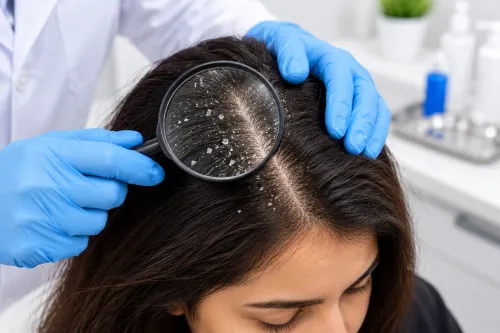
- Nodular or cystic acne forms painful, deeper lumps and needs medical assessment because it carries a greater risk of scarring.
A superficial peel may improve some clogged pores, oiliness, mild inflammatory acne and selected post-inflammatory dark marks. It cannot reliably remove the underlying tendency to develop acne or treat deep ice-pick, rolling or boxcar scars.
Acne peels are supervised adjuncts, not automatic substitutes for benzoyl peroxide, topical retinoids, azelaic acid, antibiotics or systemic treatment when those are clinically indicated. This distinction matters whether you are comparing acne peel treatment in Pune or another local option.
Postpone treatment or seek medical advice first if you have an active cold sore, open wound, bacterial infection, uncontrolled eczema, significant irritation or recent sun exposure. Discuss pregnancy or breastfeeding, a history of keloids, and previous pigmentation reactions before treatment.
A clinician should also review herpes history and current medicines, since a peel can worsen irritation, trigger recurrence or leave darker marks in susceptible skin.
Which Peel Ingredient and Skin Treatment Are You Comparing?
Compare acne peels in Punawale by ingredient and mechanism, not by strength. Salicylic acid is oil-soluble, so it suits the follicular environment of clogged pores and oily acne. Glycolic acid is water-soluble and produces controlled epidermal exfoliation. Mandelic acid and combination formulas are alternatives, but concentration, pH and contact time must match your skin condition.
| Option | Active mechanism | Depth, sensation and suitability |
|---|---|---|
| Acne peel | Chemical exfoliation, such as salicylic or glycolic acid | Superficial; stinging is possible; selected acne, oiliness and marks |
| Enzyme peel | Proteolytic enzymes loosen surface corneocytes | Usually gentler and superficial; not equivalent for comedonal acne |
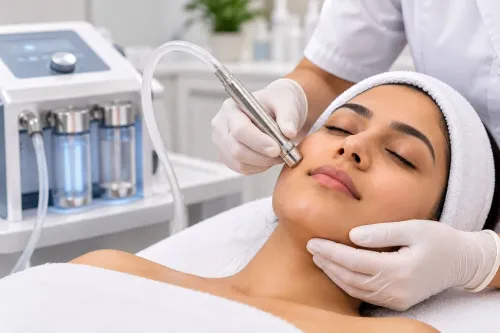
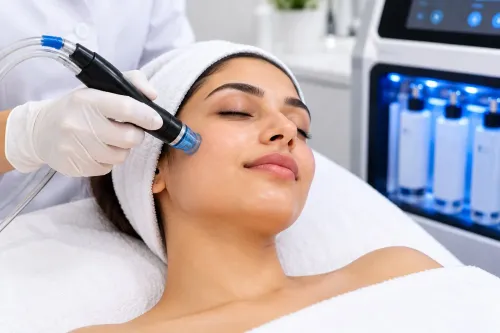
| Microdermabrasion | Mechanical abrasion removes surface cells | Superficial friction; texture-focused; unsuitable over inflamed or fragile skin |
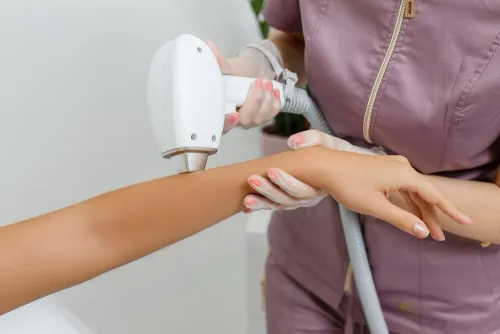
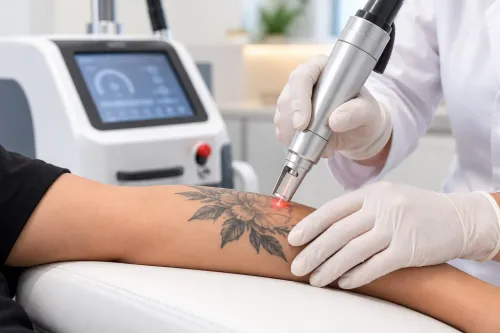
| Carbon laser facial | Carbon mask plus laser energy targets surface oil and debris | Different heat and light sensation; suitability depends on diagnosis and pigment risk |
The strongest formula is not automatically the best. These skin treatments in Punawale differ in active mechanism, depth, sensation, downtime and suitability, so an enzyme peel, microdermabrasion or carbon laser facial should not be treated as another name for acne care.
A peel may modestly improve surface texture and post-inflammatory pigmentation, but deep ice-pick, rolling or boxcar scars need a separate plan. Options include subcision, microneedling, laser treatment, punch techniques or focal TCA CROSS, selected by scar type and skin tone.
Medium-to-deep brown skin needs conservative settings and strict broad-spectrum sunscreen use because inflammation can trigger post-inflammatory hyperpigmentation. A test spot may help when pigment risk is high.
What Happens During an Acne Peel Appointment?
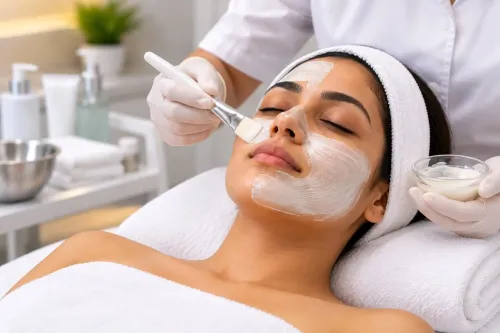
A safe appointment starts with diagnosis, not a peel label. For acne peel skin treatments in punawale, the practitioner reviews your medicines, allergies, pregnancy or breastfeeding status, recent sun exposure, herpes history, previous peels and pigment reactions before choosing a formula.
| Stage | What happens |
|---|---|
| Consultation | Acne type, skin condition and treatment goal are assessed. |
| Preparation | Skin is cleansed and degreased; sensitive areas such as the eyes, nostrils and lip corners are protected. |
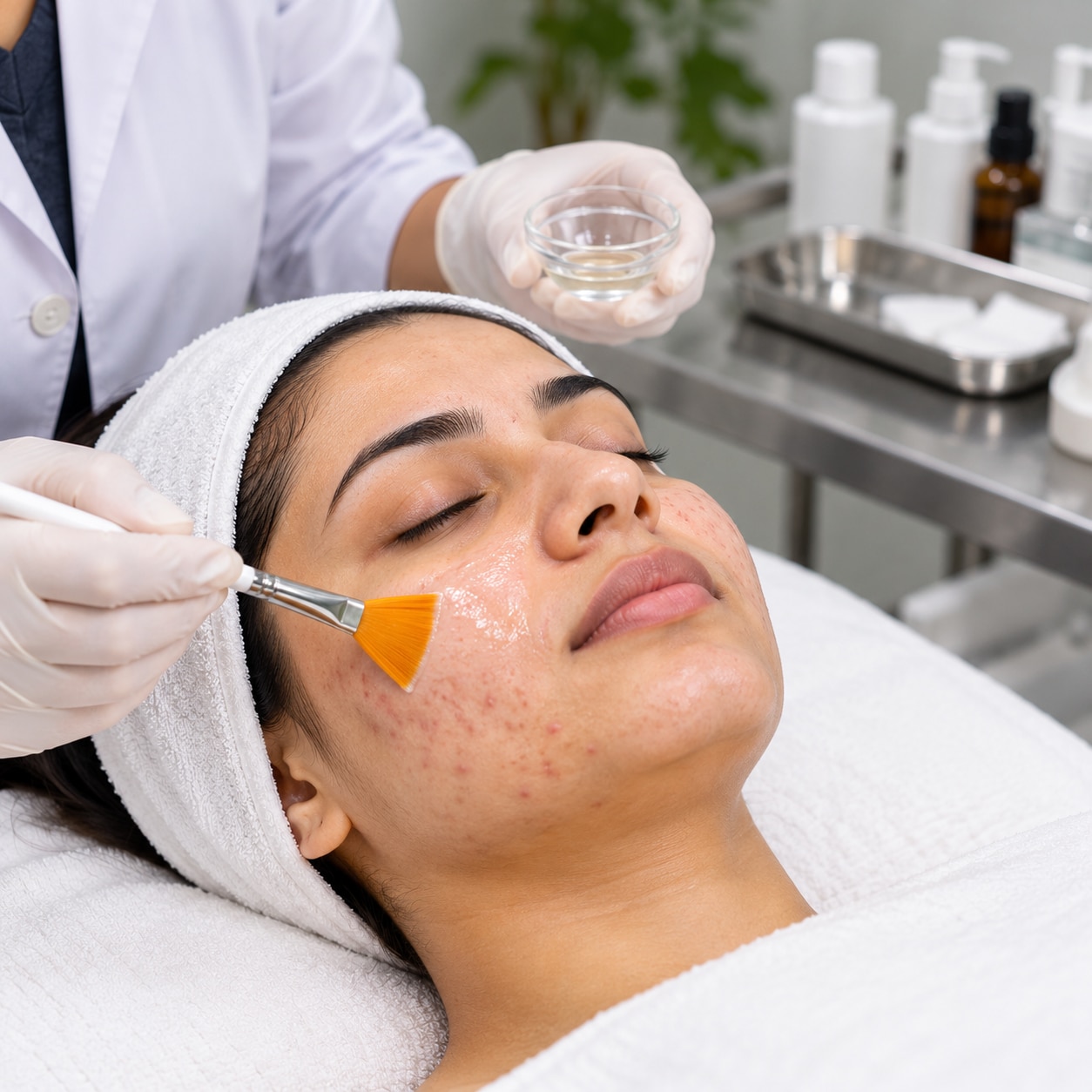
| Application | The selected formula is brushed on in controlled layers and timed closely. |
| Removal | The product is neutralised or removed when the formula requires it. |
The record should name the product, concentration, pH when relevant, contact time and your skin response. A stronger label is not a safer or better choice.
During application, expect stinging, warmth or mild burning. Discomfort usually occurs then; tightness, redness, dryness, scaling or visible peeling follow and can last several days, depending on the agent, concentration, technique and skin barrier. A superficial peel does not guarantee zero downtime.
Excessive concentration, prolonged contact or frequent sessions can cause irritant dermatitis, burns, prolonged redness, post-inflammatory hyperpigmentation and, rarely, scarring. Tell the practitioner immediately if burning becomes severe or pain continues after removal.
How Many Sessions, What Downtime and Which Aftercare Should You Expect?
Ask how many sessions are planned, why they are spaced apart, and when the clinician will assess fewer new lesions and lighter dark marks. Spacing allows the skin barrier to recover and reveals whether the plan is helping rather than merely causing temporary brightness.
| Stage | What to assess | What to expect |
|---|---|---|
| After each peel | Skin response and downtime | Redness, tightness, dryness or flaking for several days |
| Between sessions | New acne and irritation | Maintenance treatment continues; do not add exfoliants yourself |
| Review point | Lesions and dark marks | Adjust the plan if acne worsens or pigmentation develops |
While the skin is reactive, avoid direct sun, strenuous exercise and heavy sweating. Delay shaving or waxing on the treated area. Use makeup only when the barrier feels comfortable and the clinician permits it. Stop retinoids, benzoyl peroxide, scrubs and exfoliating acids until you receive restart instructions.
Cleanse gently, apply a bland moisturiser and use broad-spectrum sunscreen. Ask the clinician to confirm the suitable product and SPF for your skin. Do not pick or pull peeling skin; new acne, picking and ultraviolet exposure can create fresh dark marks even after improvement.
Contact the clinic promptly for increasing pain, marked swelling, blistering, weeping, spreading redness, pus, fever or a sudden herpes-like outbreak. Acne peel treatment in Pune and acne treatment in Punawale should include a maintenance plan, because a peel does not remove the tendency to relapse.
What Should You Ask Before Booking Acne Peels in Punawale?
Before booking acne peels in Punawale, ask for a named diagnosis: comedonal acne, inflammatory papules or pustules, or nodular or cystic acne. Then ask:
- Which peeling agent, concentration, pH when available, contact time and neutralisation method will you use?
- How many sessions are planned, how far apart, and what downtime should I expect?
- Which aftercare products are required, and what maintenance acne plan prevents relapse?
- What alternatives apply if my skin reacts, pigmentation develops or acne worsens?
- Who performs the procedure, and how do you reduce post-inflammatory hyperpigmentation risk in Indian skin? Is a test spot appropriate?
- How are burns, blistering, infection, herpes simplex outbreaks or prolonged redness managed?
A proper consultation reviews current medicines, pregnancy or breastfeeding, isotretinoin history, herpes simplex, allergies, recent tanning, keloids, and previous peels or reactions. A local provider such as Aesthetic Plus Clinic -Skin Specialist 08048033198 can be compared with other skin treatments in Punawale using these questions.
Compare the plan, not an instant-clear-skin promise:
| Provider detail | What to verify | Why it matters |
|---|---|---|
| Diagnosis | Acne type and scar concern | Deep nodules need medical assessment |
| Formula | Agent, strength, pH and timing | Stronger is not automatically better |
| Safety plan | Test spot, pigment prevention and complications | Brown skin can darken after irritation |
| Follow-up | Review date and maintenance treatment | Acne can relapse |
The best choice matches your acne type, skin tone, active medicines and tolerance for downtime.
Related service
Skin Treatments Acne Peel Treatment in Punawale, Pune Professional Acne Peel Treatment for Clearer, Smoother-Looking Skin Looking for an acne peel treatment in Punawale, Pune? Dr Nisha’s Aesthetic Plus... View service → |
Frequently asked questions
Is an acne peel suitable for every type of acne?
No. Acne peels are most suitable for selected comedonal acne or mild inflammatory acne. A clinician should assess lesion type, depth and activity before treatment.
Which peel ingredients are used for acne?
Common acne-peel ingredients include salicylic acid, glycolic acid and mandelic acid. The choice depends on your acne pattern, skin sensitivity and treatment goals.
What happens during an acne peel appointment?
The clinician examines your skin, cleans and prepares the treatment area, applies the selected peel for a controlled period, then removes or neutralises it according to the product protocol.
How much downtime and aftercare should you expect?
Expect possible temporary redness, stinging, dryness or peeling. Follow the clinician’s aftercare instructions, avoid picking or scrubbing, moisturise as directed and use broad-spectrum sunscreen.
What should you ask before booking acne peels in Punawale?
Ask about the clinician’s qualifications, the exact peel ingredient and concentration, expected sessions, downtime, risks, aftercare, total cost and suitable alternatives.
Keywords