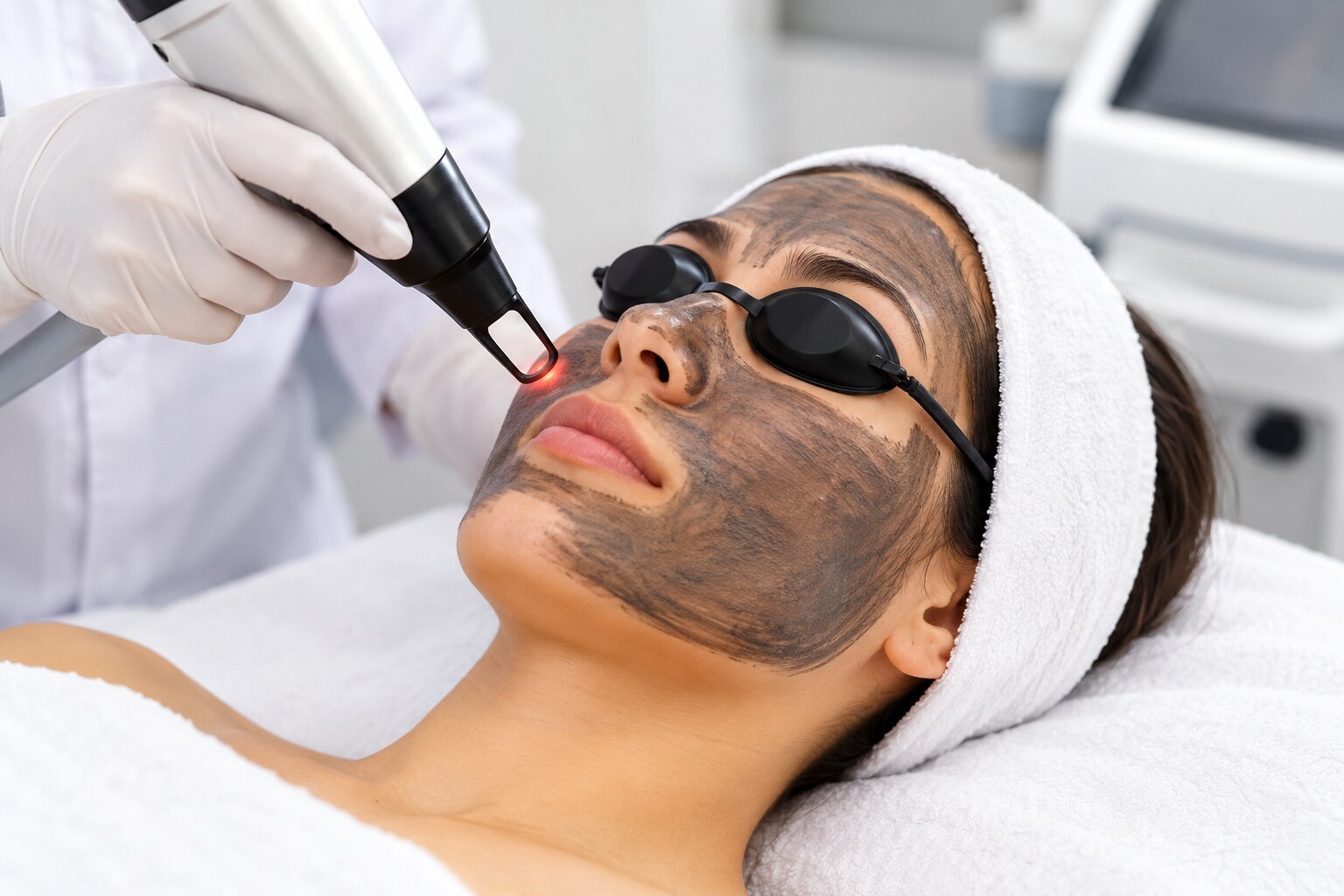
A carbon laser facial is not the same as CO₂ resurfacing, a peel, or a routine cleanup. The right choice depends on your diagnosis, skin type, laser wavelength, treatment settings, and tolerance for gradual rather than dramatic change; by the end, you will know what to ask before booking in Mamurdi or Punawale.
Key takeaways
- Ask which laser wavelength, settings and eye protection the clinic will use.
- Expect temporary redness or warmth; follow the clinic’s recovery instructions.
- Compare carbon laser with peels, facials and other resurfacing treatments.
- Choose a qualified provider after discussing your specific skin concerns and risks.
What a carbon laser facial actually does
A carbon laser facial combines a carbon-based lotion with laser passes to clean and brighten the skin’s surface without deliberately removing a full layer of tissue. The lotion settles into surface oil, keratin and debris; the laser’s energy is absorbed by the carbon particles, fragmenting and lifting this material while delivering controlled superficial heat.
The treatment is usually performed with a Q-switched 1064-nm Nd:YAG laser.
This carbon facial for skin concerns can improve oily shine, dullness, mild congestion, enlarged-looking pores, uneven surface tone and some superficial pigmentation. It is not a cure for persistent inflammatory acne, deep wrinkles, laxity or established atrophic acne scars.
| Treatment | Main action | More suitable for | Main limitation |
|---|---|---|---|
| Carbon peel | Carbon-assisted superficial cleansing and heating | Oiliness, dullness, mild congestion and uneven tone | Modest effect on deep texture or scars |
| Ablative CO2 or erbium laser | Vaporises controlled columns or layers of skin | Pronounced textural damage, scars and wrinkles | More downtime and higher pigment-change risk |
| Conventional facial | Cleansing, massage and surface exfoliation | Temporary freshness and hydration | Does not provide laser-based treatment |
If you are comparing carbon laser for facial Mamurdi options, confirm that the clinic means a non-ablative carbon peel, not carbon-dioxide resurfacing. The two procedures have different risks, recovery times and expected results.
The laser details that determine safety and downtime
Ask for the exact laser model and wavelength before treatment. A carbon peel usually uses a Q-switched 1064-nm Nd:YAG laser, not a carbon-dioxide laser. “Q-switched” describes short, high-peak-power pulses; 1064 nm is the wavelength. If a clinic cannot identify both, pause before booking carbon laser treatment in Mamurdi.
Confirm these safety details:
- The patient and everyone in the room wear wavelength-specific laser eyewear. Ordinary sunglasses do not protect against a 1064-nm beam.
- The practitioner records the planned fluence, spot size, number of passes and treatment interval.
- Darker skin is assessed for pigment-change risk, including mottled hypopigmentation, uneven darkening, prolonged redness or burns.
- You receive a clear plan for reporting and treating a burn or pigment complication.
Non-ablative treatment does not deliberately vaporise a full skin layer, so recovery is usually shorter. That convenience has limits: repeated or overly aggressive passes can still injure skin, and results are modest for deep scars, marked wrinkles, laxity or major texture damage.
| Treatment type | Device and action | Downtime and suitability |
|---|---|---|
| Non-ablative carbon peel | Q-switched 1064-nm Nd:YAG; treats the carbon-coated surface without removing a skin layer | Usually limited recovery; better for superficial oil, debris and pigmentation concerns |
| Ablative resurfacing | CO₂ or erbium laser; vaporises controlled skin layers | More redness, wound care and downtime; stronger resurfacing for selected scars and wrinkles |
A carbon peel is not CO₂ resurfacing, even when both are advertised as “carbon laser” options.
What happens during the appointment and recovery
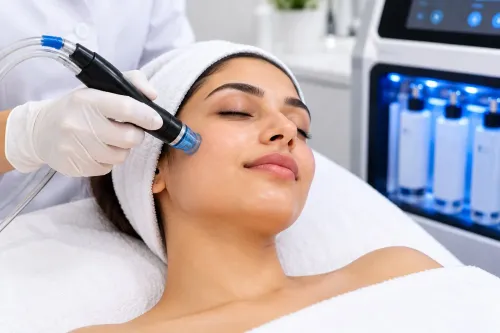
Most appointments take about 30–45 minutes, excluding consultation. A carbon laser facial in Punawale should follow a clear sequence:
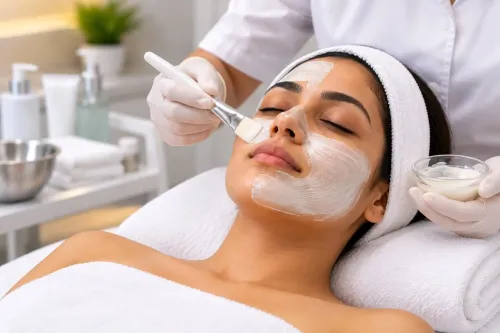
- The clinician examines your skin, removes makeup and oil, and cleanses the face.
- A thin carbon lotion is spread over the treatment area and allowed to dry or set.
- You receive wavelength-appropriate laser eyewear; everyone in the room needs protection. Ordinary sunglasses do not protect against the laser.
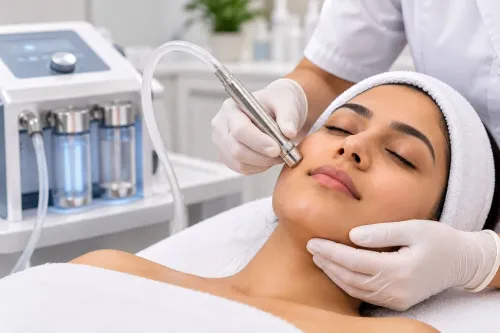
- The clinician makes laser passes over the dry carbon layer. You may hear snapping sounds and feel warmth, tingling, or tiny rubber-band-like flicks.
- The carbon is removed, the skin is checked, and a bland moisturiser plus broad-spectrum sunscreen is applied.
Redness, warmth, tightness, dryness, or mild flaking can follow. Ask whether you can return to work the same day, when makeup is allowed, and how long to postpone strenuous exercise, swimming, sauna use, and facial massage.
In Pune’s strong sunlight, confirm the sunscreen’s broad-spectrum rating, reapplication schedule, and whether you need a hat or strict outdoor limits. Do not pick flakes or use scrubs. Pause retinoids, strong acids, and benzoyl peroxide until the clinician confirms that your skin barrier has recovered.
Before leaving, get written aftercare instructions and a contact number for worsening pain, blistering, swelling, or darkening. Ask when to restart products and schedule review.
How carbon laser compares with other facial treatments
Choose a carbon laser facial when you want a non-ablative option for oily skin, clogged pores, mild uneven tone, or a short recovery period. A carbon facial for skin concerns is less suitable for deep scars, marked wrinkles, laxity, or active nodular acne.
| Option | More suitable when | When another choice makes more sense |
|---|---|---|
| Carbon laser facial | You want surface brightening, oil reduction, and modest pore or texture improvement with little downtime | Deep scars, strong laxity, or persistent inflammatory acne need a targeted medical plan |
| Chemical peel | Pigmentation, acne, or dullness responds to a chosen acid and controlled peeling depth | Sensitive, irritated, recently sun-exposed skin may react poorly |
| Microdermabrasion | You want gentle mechanical exfoliation for superficial roughness and dullness | It will not treat deep scars or substantial pigmentation |
| Microneedling | Atrophic acne scars, enlarged pores, or collagen-related texture change are the priority | Active acne, infection, or a very low-downtime requirement rules it out |
| Pico laser | Pigment or selected tattoo-related concerns need short laser pulses and a different mechanism | It is not automatically better for oil, congestion, or routine exfoliation |
| Conventional facial | You want cleansing, hydration, massage, and temporary surface smoothness | It cannot match medical treatments for persistent pigmentation, acne, or scars |
A carbon laser facial in Punawale makes sense when the assessment confirms superficial concerns and conservative settings suit your skin tone. Choose another treatment when the diagnosis demands deeper remodeling; combining procedures should follow a clinician’s plan, not a menu upgrade.
Choosing a safe plan in Mamurdi or Punawale
A safe plan starts with a diagnosis, not a package. Search terms such as “carbon laser treatment mamurdi” and “carbon laser for facial mamurdi” usually refer to a carbon peel using a Q-switched 1064-nm Nd:YAG laser, but your clinician must confirm the device and assess your skin in person.
| Finding | Better plan | Why it matters |
|---|---|---|
| Oily skin or superficial congestion | Carbon peel course | Targets surface debris without treating deep scars |
| Persistent inflammatory acne or nodules | Medical acne treatment first | A carbon facial is not a replacement for prescribed topical or oral medicines |
| Melasma or recurring brown patches | Pigment diagnosis and controlled treatment | Heat can worsen some pigment disorders |
| Atrophic acne scars | Microneedling, fractional resurfacing, subcision, or combination care | A carbon peel alone will not remodel established depressions |
Postpone treatment after recent tanning, sunburn, open wounds, infection, or uncontrolled dermatitis. Disclose cold sores around your mouth; facial laser treatment can reactivate herpes simplex and may require clinician-directed antiviral prevention.
Expect several sessions, often two to four weeks apart, but let diagnosis and skin response determine the number. Before booking, ask who will assess you, the exact laser and wavelength, planned fluence and spot size, pigment protection for darker skin, and the response plan for burns or darkening.
Check the practitioner’s registration through the National Medical Commission’s Indian Medical Register resources. Aesthetic Plus Clinic -Skin Specialist 08048033198 should answer these points clearly before treatment, not after a complication.
Related service
Skin Treatments Carbon Laser Facial in Punawale, Pune Looking for a carbon laser facial in Punawale, Pune? Dr Nisha’s Aesthetic Plus Clinic offers aesthetic skincare options for individuals looking to... View service → |
Frequently asked questions
What does a carbon laser facial do?
A carbon lotion binds to surface oil, keratin and debris, while laser passes heat the particles and help lift this material.
What laser details affect safety and downtime?
The device, wavelength, energy settings, cooling, eye protection and treatment technique affect comfort, risks and recovery.
What happens during carbon laser facial recovery?
The appointment includes skin preparation, carbon application and laser passes. Recovery commonly involves temporary warmth or redness and careful sun protection.
How does carbon laser compare with other facial treatments?
Carbon laser offers surface cleansing and brightening with limited disruption, while peels, facials and resurfacing treatments differ in depth, results and downtime.
How should you choose carbon laser treatment in Mamurdi or Punawale?
Ask about the practitioner’s qualifications, device details, consultation process, contraindications, aftercare and how the plan matches your skin concerns.
Keywords